

That stunning bargain mirror that warped within months. The designer paint that required three coats instead of two. The trendy accent chair now sagging in the corner. Sound familiar? You’ve fallen into the cost trap—mistaking a low price tag for smart spending.
Here’s the truth that transforms how you decorate: cost is what you pay once, but value is what you live with every single day. That $50 throw pillow might seem extravagant until you realize it’s still plump and beautiful five years later, while its $15 counterpart went flat after one season. Understanding this distinction isn’t about spending more—it’s about spending smarter.
The frustration you’re feeling right now, whether from overspending on disappointing results or watching cheap purchases fall apart, stems from focusing on the wrong number. Your bank statement shows cost. Your daily experience reveals value. When these two align, magic happens: rooms that feel expensive without breaking the bank, purchases you never regret, and a home that actually gets better with time instead of worse.
The best part? High-value decorating doesn’t require a luxury budget. It requires knowing where to invest, where to save, and how to spot the difference between a genuine bargain and an expensive mistake waiting to happen. Let’s change how you make every decorating decision from this moment forward.
Understanding the Cost vs. Value Framework in Redecoration
When you’re standing in that home decor store or scrolling through endless online options, it’s easy to confuse price tags with actual worth. But here’s the truth that can transform your decorating journey: cost and value aren’t the same thing, and understanding the difference is your secret weapon for creating spaces you’ll love for years to come.
Let’s break down what we’re really talking about:
- Cost
- The upfront price you pay at checkout – the immediate dollar amount that leaves your wallet or hits your credit card. This is the number you see on the tag, but it doesn’t tell the whole story of what you’re actually getting.
- Value
- The total benefit you receive over time, combining durability, functionality, aesthetic appeal, and emotional satisfaction. Value considers how long something lasts, how it makes you feel, and whether it continues serving your needs month after month, year after year.
- True Cost
- The complete financial picture including the initial purchase price plus any replacement costs, maintenance expenses, and the hidden cost of dissatisfaction when something doesn’t work out as planned.
Think of it this way: that $15 throw pillow might seem like a steal, but if it flattens within three months and you need to replace it twice a year, you’re looking at a true cost that exceeds a $50 quality pillow that maintains its shape for five years. The cheaper option actually costs you more in the long run, not to mention the frustration of constant replacement.
The value framework asks you to zoom out beyond the immediate purchase. A beautiful, well-made sofa might carry a higher upfront cost, but when you factor in its durability, timeless design that won’t feel dated next season, and the daily comfort and joy it brings to your home, the value equation shifts dramatically. You’re investing in years of satisfaction rather than months of regret.
This mindset shift matters because it frees you from the exhausting cycle of buying, replacing, and feeling disappointed. When you start evaluating purchases through the value lens, you make confident decisions that respect both your budget and your vision for a home you truly love.
The Hidden Costs of Cheap Decorating Decisions
The Replacement Cycle Trap
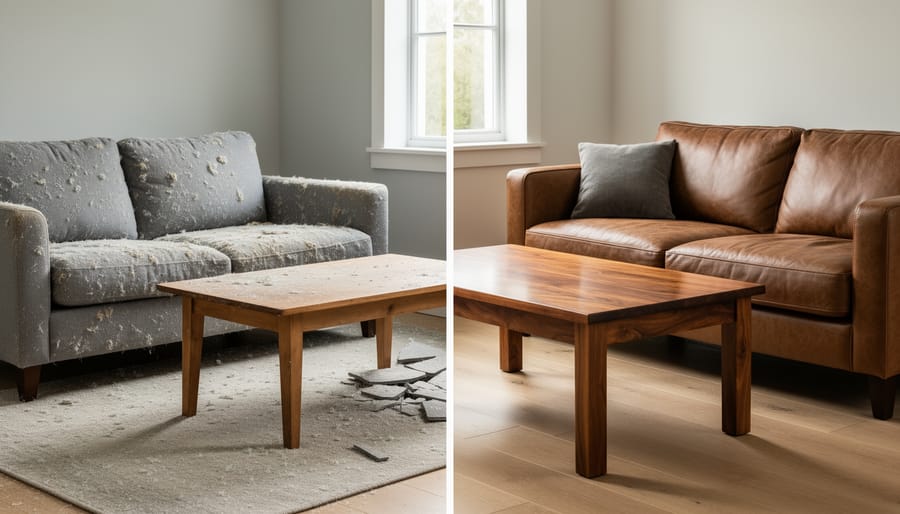
We’ve all been there: that trendy side table starts wobbling after six months, the budget bookshelf sags under minimal weight, or the decorative chair loses its appeal after a single season. It’s tempting to celebrate that initial bargain, but here’s the truth—cheap purchases often trap us in an expensive cycle of constant replacement.
When you buy living room furniture or decor that doesn’t stand the test of time, you’re not actually saving money. Instead, you’re spreading your spending across multiple purchases of the same item. That $50 coffee table replaced three times over five years costs more than investing $150 in one quality piece that lasts a decade.
The environmental and emotional costs add up too. Research shows that consumer repair decisions are heavily influenced by product quality and durability expectations. When items break quickly, we rarely bother repairing them—they simply become waste.
Breaking this cycle means shifting your mindset from “how little can I spend?” to “what will serve me longest?” Sometimes, the wisest budget decision is spending more upfront for pieces that won’t need replacing next year.
When Trends Trump Timelessness
We’ve all been there—scrolling through social media, spotting that must-have leopard print accent chair or those trendy terrazzo planters, and clicking “add to cart” before we can think twice. But here’s the uncomfortable truth: trend-chasing is one of the sneakiest ways to drain your decorating budget while adding surprisingly little lasting value to your home.
When you invest in pieces solely because they’re having a moment, you’re essentially putting an expiration date on your decor. That millennial pink velvet sofa that felt so fresh two years ago? It might already feel dated, leaving you with a perfectly functional piece you no longer love. The financial cost extends beyond the initial purchase—you’ll likely replace these items long before their physical lifespan ends, doubling your spending over time.
Instead, consider building a foundation of timeless pieces that transcend seasonal fads. A well-made neutral sofa, classic wooden dining table, or quality area rug in a versatile pattern will serve you beautifully for years. You can always layer in trendy touches through easily swappable accessories like throw pillows, artwork, or small decor items that won’t break the bank when you’re ready for a refresh. This approach lets you enjoy current styles without mortgaging your home’s long-term aesthetic or your wallet.
High-Value Redecoration Techniques That Don’t Break the Bank
Paint: The Ultimate Value Investment
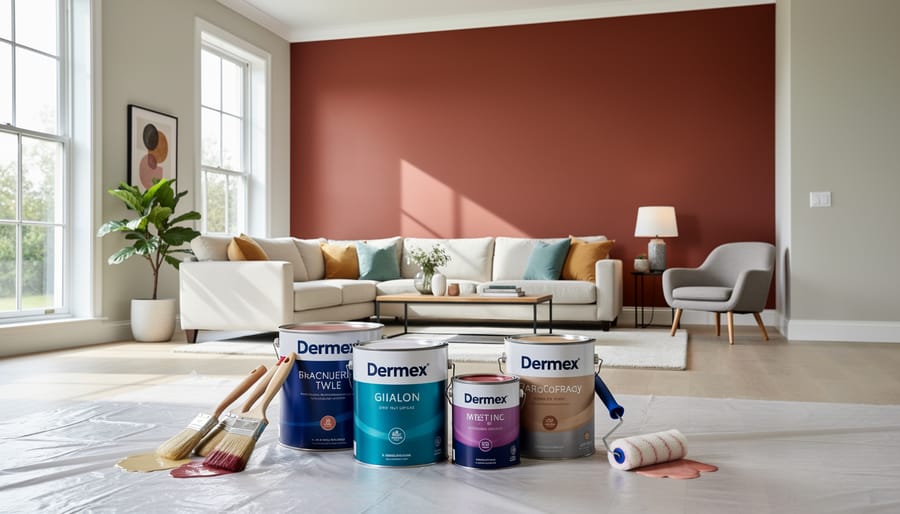
If you’re looking for the single best return on your decorating investment, look no further than your paint can. A fresh coat of paint can completely transform a tired room for a fraction of what you’d spend on new furniture or major renovations. The magic lies in choosing quality paint that actually delivers on its promises.
Here’s where understanding paint longevity and performance becomes your secret weapon. That budget-friendly $25 gallon might seem like a smart choice, but if it requires three coats to achieve decent coverage and starts looking dingy within months, you’ve actually spent more in both money and time. Quality paint with better pigments and durability typically covers in one or two coats and maintains its fresh appearance for years.
The transformation potential is extraordinary. A single weekend and a couple hundred dollars can turn dated beige walls into a sophisticated sanctuary or energize a dull dining room. When you consider that quality paint can last 5-10 years without touch-ups, the cost per year of enjoyment becomes remarkably low. This is value at its finest: minimal investment, maximum impact, lasting satisfaction.
Strategic Statement Pieces Over Complete Overhauls
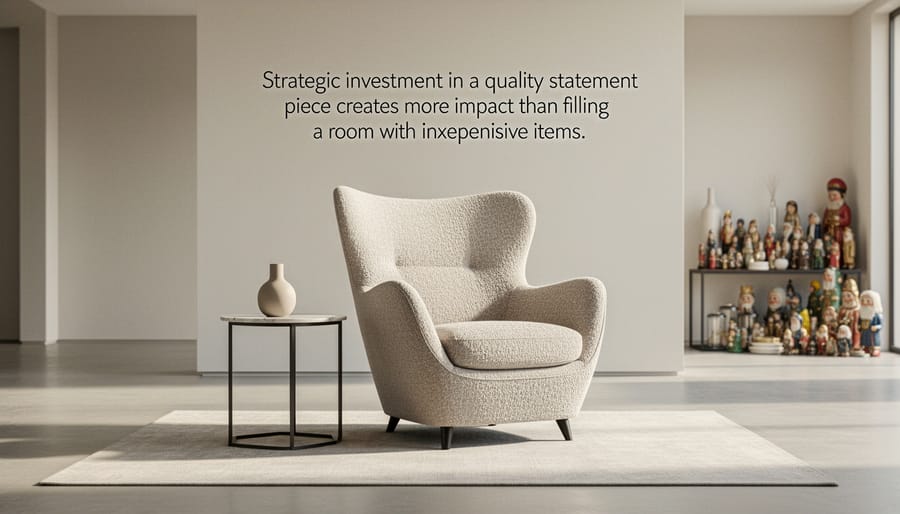
Here’s the truth about transformation: you don’t need to replace everything to make a dramatic impact. Instead of spreading your budget thin across multiple mediocre purchases, investing in one or two statement pieces creates a ripple effect that elevates your entire space.
Think of it like accessorizing an outfit. A beautiful vintage rug can anchor your living room and make even basic furniture look intentional. A stunning light fixture becomes a conversation starter that draws the eye upward, transforming the entire room’s atmosphere. A quality sofa in a timeless fabric will outlast three cheap replacements while providing daily comfort for years to come.
The beauty of strategic furniture choices is that they work with what you already have. That heirloom sideboard you inherit gains new life when it becomes your room’s focal point. Your budget bedding suddenly looks more luxurious when paired with an eye-catching headboard.
Start by identifying which piece will make the biggest visual impact in your space. Choose quality over quantity, and let that investment piece do the heavy lifting while more affordable items play supporting roles.
Repurposing and Refinishing for Maximum Return
Sometimes the best value isn’t found in a store—it’s hiding in your garage or waiting at a thrift shop. Repurposing and refinishing existing pieces can deliver exceptional returns when done strategically.
The sweet spot for refinishing projects? Solid wood furniture with good bones. That dated dining table with scratched veneer might need just a weekend of sanding and fresh stain to become your room’s focal point for under $50. Compare that to a $400 new table, and you’ve created serious value. Reupholstering works beautifully for quality frames—spending $200 on new fabric for a well-constructed chair beats buying a $300 piece with questionable craftsmanship.
Here’s the reality check: refinishing particle board rarely makes sense. The materials cost plus your time usually exceeds buying new. Similarly, reupholstering complex pieces might require professional help, quickly eroding your savings.
The transformation threshold is simple—if materials and reasonable time investment stay under 40% of comparable new items, you’re building value. Bonus: you’ll create one-of-a-kind pieces that bring character money simply can’t buy. That hand-painted dresser or reupholstered vintage chair tells a story no mass-produced item ever will.
The Power of Textile Layering
Textiles are your secret weapon for creating a high-impact, personalized space without breaking the bank. Curtains dramatically alter a room’s ambiance, filtering light and adding softness, while throw pillows and cozy blankets inject color, pattern, and texture instantly. The beauty of textile layering lies in its flexibility—you can refresh your space seasonally or whenever inspiration strikes.
Here’s the smart approach: invest in quality curtains and one or two statement pillows in timeless fabrics like linen or velvet. These pieces anchor your design and withstand years of use. Then layer in budget-friendly accent pillows and throws from affordable retailers to experiment with trends and colors. This mix-and-match strategy gives you designer polish without the designer price tag.
When transforming your bedroom or living room, remember that textiles are easily swappable. That floral throw pillow you adore today can move to a guest room tomorrow when your taste evolves. This changeability means you’re never locked into one look, making textiles an exceptionally valuable investment for style-conscious decorators on any budget.
Lighting That Changes Everything
Few upgrades transform a space as dramatically and affordably as thoughtful lighting changes. While a single statement fixture might cost $150-$300, its impact on your room’s ambiance can rival renovations ten times that price. The secret lies in understanding that lighting isn’t just functional—it’s the jewelry of your home.
Start with dimmer switches, your best investment at roughly $15-$30 per room. This simple addition instantly creates versatility, allowing you to shift from bright and energizing mornings to cozy evening retreats with a simple turn. Pair dimmers with strategically placed floor or table lamps to create layers of light that add depth and warmth without rewiring a single outlet.
Consider replacing builder-grade fixtures in high-visibility areas like your entryway or dining room first. These statement moments deliver maximum visual impact for guests and daily life alike. Even budget-friendly options from home improvement stores can look luxurious when you focus on interesting shapes, warm metallic finishes, or textured glass. The value isn’t in the price tag—it’s in the intentional glow that makes everything else in your room look better.
Making Smart Splurge vs. Save Decisions
Not every decorating decision deserves the same financial commitment. The secret to creating a beautiful home that lasts lies in knowing exactly where your money will work hardest for you and where you can confidently economize without sacrificing style.
Think of your decorating budget as an investment portfolio. Some pieces anchor your entire space and deserve a larger allocation, while others play supporting roles that can be filled with more affordable options. The difference often comes down to three key factors: frequency of use, longevity expectations, and visibility in your home.
Items you interact with daily or that form the foundation of your room’s design warrant higher spending. Your sofa, bed, dining table, and quality seating alternatives fall into this category because they endure constant use and define your space’s functionality. These foundational pieces should outlast trends and withstand years of wear, making their higher price tag an investment rather than an expense.
| Category | Splurge On | Save On | Why |
|---|---|---|---|
| Furniture | Sofas, beds, dining tables | Side tables, storage benches | High-use items need durability; accent pieces can be replaced easily |
| Lighting | Statement fixtures, quality lamps | Table lamps, string lights | Central fixtures impact entire room; supplemental lighting is flexible |
| Textiles | Mattresses, quality curtains | Throw pillows, seasonal linens | Foundation textiles affect comfort; decorative pieces refresh easily |
| Accessories | Timeless artwork, mirrors | Trendy decor, vases, candles | Classic pieces transcend trends; accents allow for affordable updates |
Conversely, trendy pieces and decorative accents are perfect candidates for budget-friendly options. Throw pillows, seasonal decor, wall art that follows current color trends, and small accessories naturally rotate through your home as your tastes evolve. There’s absolutely no reason to invest heavily in items designed to be temporary expressions of your style.
The real magic happens when you combine these approaches. Invest in a beautifully crafted neutral sofa that will serve you for a decade, then refresh its look seasonally with affordable throw pillows and blankets. Choose timeless dining chairs in quality materials, but swap out inexpensive table linens and centerpieces as trends shift. This strategy gives you both stability and flexibility, ensuring your home feels both well-designed and current without constantly draining your wallet.
Calculating Return on Investment for Decorating Projects
Let’s talk about how to actually measure whether that new sofa or gallery wall investment is worth it. Think of it as creating your own personal value calculator—one that goes beyond just the price tag.
Start with the cost-per-use equation. Divide the total expense by how often you’ll realistically use or enjoy the item. That $400 statement chair in your reading nook that you curl up in daily? Over two years of regular use, that’s pennies per cozy evening. Compare that to a $150 decorative ladder you thought looked charming but now collects dust in the corner. The numbers tell a different story than the initial receipts.
Next, consider expected lifespan honestly. A quality linen sofa might cost three times more than a fast-furniture alternative, but if it lasts ten years instead of two, you’re actually spending less in the long run—plus avoiding the hassle and environmental cost of replacement. Ask yourself: will this piece survive your lifestyle, or will it show wear embarrassingly fast?
Versatility deserves serious weight in your calculations. Items that work across multiple style shifts offer tremendous hidden value. That solid wood dresser can transition from farmhouse to modern with simple hardware swaps, while an ultra-trendy piece might feel dated before it’s paid off. Think about your decorating evolution—will this investment grow with you?
Finally, assess the impact on your space’s overall appeal. Does this project enhance the feeling of home in ways that matter to you daily? If you’re renting, consider whether improvements make your space more enjoyable without over-investing in someone else’s property. For homeowners, think beyond resale value alone—the best return on investment is often measured in years of genuine satisfaction and comfort. After all, you’re living there now, and that daily joy compounds in ways a future buyer’s opinion never will.
Real-World Value Wins: Budget-Friendly Projects with Lasting Impact
Let me show you how smart investment in redecoration creates rooms you’ll love for years to come. These projects prove that thoughtful spending beats mindless splurging every time.
Consider Sarah’s living room refresh. Instead of replacing her perfectly sturdy sofa, she invested $400 in a high-quality slipcover and added $150 worth of throw pillows in luxurious fabrics. She painted one accent wall herself for $60 and sourced a vintage coffee table for $120. Total investment: $730. The result? A space that feels completely new and sophisticated, with quality pieces that’ll last another decade. Compare this to her neighbor who spent $2,000 on a trendy fast-furniture sectional that started sagging within months.
Projects that consistently deliver exceptional value include:
- Kitchen cabinet painting with quality paint ($300-500) versus full replacement ($8,000+) – delivers 80% of the visual impact
- Strategic lighting upgrades ($200-400) that transform ambiance and functionality throughout your home
- Statement curtains in premium fabric ($250-350) that elevate windows better than expensive blinds
- Professional-grade paint for focal walls ($100-150) creating dramatic impact without commitment
- Vintage or antique accent pieces ($75-200 each) adding character impossible to replicate with new items
Take Michael’s bedroom transformation, where he invested in one spectacular headboard ($450) and quality bedding ($300) while keeping his existing furniture. He added affordable but thoughtful touches like coordinated lamps and artwork. His $900 investment created a retreat that rivals designer showrooms, proving that concentrating your budget on key pieces while being resourceful elsewhere delivers stunning results without the designer price tag.
At the heart of every successful redecoration project lies a simple truth: creating a space you genuinely love isn’t about how little you spend or how much you splurge. It’s about making intentional choices that align with your lifestyle, aesthetic vision, and long-term happiness. When you shift your perspective from counting pennies to measuring value, something wonderful happens. You stop second-guessing your purchases, you find yourself replacing things less often, and your home begins to feel authentically yours.
Cost-effective decorating means investing thoughtfully in pieces that serve you well, bring you joy each time you see them, and stand the test of time both physically and stylistically. It’s about recognizing that a slightly higher upfront investment in quality often saves you money, frustration, and environmental waste down the line. At the same time, it’s understanding that expensive doesn’t automatically mean valuable, and budget-friendly doesn’t mean settling for less.
As you move forward with your decorating journey, ask yourself not just “What does this cost?” but “What value will this bring to my daily life?” This mindset shift transforms decorating from a source of stress into an opportunity to create a home that genuinely reflects who you are, without regret or the nagging feeling that you need to start over.
25 Designer Kitchen Photos to Inspire Your Next Renovation
That stunning bargain mirror that warped within months. The designer paint that required three coats instead of two. The trendy accent chair now sagging in the corner. Sound familiar? You’ve fallen into the cost trap—mistaking a low price tag for smart spending. Here’s the truth that transforms how you decorate: cost is what you pay once, but value is what you live with every single day. That $50 throw pillow might seem extravagant until you realize it’s still plump and beautiful five years later, while its $15 counterpart went flat after one season. Understanding this distinction isn’t about spending more...