

We may earn a commission when you buy through links on this page, at no extra cost to you.
Choosing energy efficient heating solutions comes down to three key decisions: selecting the right system type for your space, sizing it correctly, and using smart controls to optimize performance. Most homeowners see 20-40% reductions in heating costs within the first year by upgrading from older systems to modern, efficient alternatives.
The heating landscape has shifted dramatically. What worked five years ago now sits firmly among outdated trends with single-zone forced air and baseboard heaters giving way to heat pumps, radiant floors, and zoned heating that targets comfort where you actually need it. The good news? Energy efficient heating no longer requires choosing between warmth and your budget.
This guide walks you through selecting a heating solution that matches your home’s size, your climate zone, and your financial reality. You’ll learn which systems deliver the best return on investment, how to calculate your actual heating needs without overbuying capacity, and where to find rebates that can slash upfront costs by thousands of dollars. We’ll cover safety considerations that protect your family and your investment, plus verification steps to ensure your new system performs as promised.
Whether you’re replacing a dying furnace or upgrading from costly electric baseboards, you need a clear framework that cuts through marketing hype. The right heating solution pays for itself through lower monthly bills while keeping every room comfortable. Let’s find the system that works for your home and your wallet.
What You Need Before Choosing an Energy Efficient Heating System
Before you spend a dollar on any heating upgrade, gather the right information. Making an informed choice means understanding your current situation and knowing what financial help exists. Here’s what you need to have ready.
Start with your utility bills from the past year. These bills reveal your heating costs month by month and show when your system works hardest. You can use utility bills for baseline energy consumption and track seasonal patterns that highlight inefficiencies. Pull at least six months of statements, ideally a full twelve months covering both heating and cooling seasons.
Next, measure your home’s square footage and check insulation levels. You don’t need a contractor for this initial assessment. Walk through your home with a tape measure, noting the dimensions of heated spaces. Check your attic insulation depth with a ruler (most homes benefit from at least ten to fourteen inches, depending on material). Feel for drafts around windows, doors, and outlets. These simple observations tell you whether poor insulation is sabotaging your current system and will affect which heating solution makes sense.
A basic home energy audit helps identify where you’re losing heat and money. You can hire a professional for a detailed audit, but a DIY walkthrough catches obvious problems. Look for air leaks, inadequate weatherstripping, single-pane windows, and uninsulated ductwork in basements or crawl spaces. Note rooms that are consistently too cold or too hot, which signals zoning issues your new system might address.
Your preparation checklist should include:
- Twelve months of utility bills showing heating costs and usage patterns
- Square footage measurements of all heated living areas
- Current insulation depth in attic, walls, and basement
- List of known air leaks, drafts, and problem zones
- Age and condition of existing heating system
- Your realistic budget range for upfront investment
Budget planning matters as much as technical specifications. Determine how much you can spend upfront versus saving through monthly bill reductions. Many homeowners can coordinate rebates and tax credits available through federal programs in 2026, which can cover substantial portions of installation costs. Check your state energy office website and local utility provider for additional incentives. Some programs offer instant rebates that reduce your out-of-pocket expense immediately, while others provide tax credits you claim when filing. Knowing these figures upfront changes the math on which systems you can afford.
Important Safety and Cost Warnings to Know First
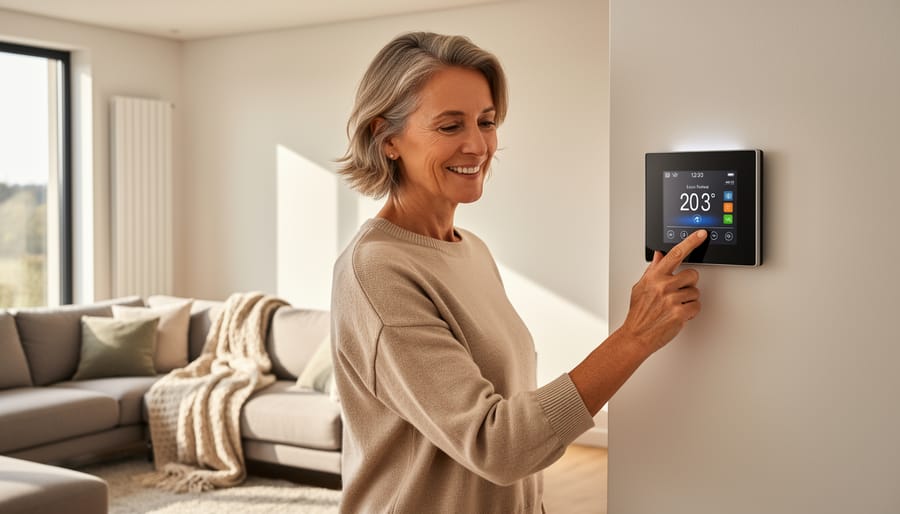
Before you commit to any heating upgrade, understand what can go wrong, and what it’ll really cost you.
The biggest mistake homeowners make is underestimating installation complexity. A heat pump installed without proper refrigerant line sizing or electrical upgrades can cost twice what you budgeted and still underperform. Many older homes lack the 200-amp electrical service needed for modern heat pumps, requiring a panel upgrade that adds $2,000, $4,000 to your project. Similarly, ductless mini-splits need precise refrigerant charging, a DIY approach here voids warranties and risks fire hazards from incorrect electrical work.
Compatibility issues catch people off guard. That efficient new furnace won’t work with your old thermostat, and your existing ductwork might be too small for higher airflow systems. Budget an extra 15-20% beyond the equipment cost for these integration expenses. Retrofitting radiant floor heating into an existing home means tearing up floors, a hidden cost that can triple your initial estimate.
Watch for red flags when shopping: contractors who skip the load calculation (proper sizing requires measuring your home, not guessing), prices significantly below competitors (often means unlicensed work or refurbished equipment sold as new), and anyone pushing a single brand without discussing alternatives. Legitimate installers provide itemized quotes, carry proper licensing and insurance, and explain exactly what your home needs before suggesting solutions.
Set realistic expectations: quality installations take time, require permits, and cost more upfront than budget options, but cutting corners now means paying twice when the system fails prematurely or your energy bills don’t budge.
Step-by-Step: How to Select and Implement Your Energy Efficient Heating Solution
Step 1: Assess Your Home’s Heating Needs and Current Efficiency
Start by pulling together your last twelve months of utility bills, this gives you a real picture of what you’re spending on heat each season. Look for patterns: when do costs spike? Are you paying more in January than you expected, or does your furnace seem to run constantly during cold snaps?
Next, do a simple walk-through on a chilly day. Hold your hand near windows, doors, electrical outlets, and where walls meet the ceiling. Feel a draft? That’s money escaping. Check your attic insulation depth with a ruler, most homes need at least 10 to 14 inches, depending on your climate zone. The Department of Energy’s climate zone map (readily available online) tells you exactly what insulation levels you need for your region.
Now, calculate your baseline efficiency. Divide your total annual heating costs by your home’s square footage, this gives you a cost-per-square-foot benchmark. If you’re paying significantly more than neighbors with similar homes, you’ve got room to improve. Note your current thermostat settings too: if you’re cranking it to 72°F just to feel comfortable, poor insulation or an aging system might be the culprit, not your cold tolerance.
Step 2: Compare Energy Efficient Heating Options for Your Budget
Now let’s look at the heating systems that fit real budgets. Heat pumps top the efficiency list for most climates, moving heat rather than generating it. Air-source models start around $3,500 to $7,000 installed, while ground-source (geothermal) systems run $15,000 to $25,000 but deliver the lowest operating costs long-term. They work brilliantly in mild to moderate climates, though efficiency metrics vary by region so check specs for your climate zone. Budget-conscious entry: a mini-split heat pump for one or two rooms costs $1,500 to $3,500 and slashes bills in your most-used spaces.
High-efficiency furnaces make sense in cold climates where heat pumps struggle. Look for 95%+ AFUE ratings, which cost $2,500 to $6,000 installed. You’ll pay more upfront than standard furnaces, but gas or oil savings add up quickly. They’re your best bet if you already have ductwork and experience harsh winters.
Radiant floor heating delivers luxurious warmth and serious efficiency in targeted areas. Electric systems cost $10 to $20 per square foot installed, hydronic (water-based) runs $15 to $30 per square foot. Start with a bathroom or kitchen for manageable cost and noticeable comfort gains, then expand if it fits your budget.
Smart thermostats offer the easiest entry point at $100 to $250 installed. They optimize any heating system you already own, learning your schedule and cutting waste automatically. Expect 10% to 15% savings immediately.
Zone heating systems use programmable vents or mini-splits to heat occupied rooms only. Retrofit kits start at $1,500 for two zones. Perfect for homes where family members gather in just a few spaces most of the time, avoiding the cost of heating empty bedrooms or formal dining rooms you rarely use.
Step 3: Calculate Your Return on Investment
The math behind energy efficient heating solutions doesn’t require a calculator app or advanced spreadsheet skills. Start with your current annual heating cost from your utility bills. Subtract what you expect to pay annually with the new system, most manufacturers provide estimated operating costs, or your installer can calculate it based on your home’s square footage and local energy rates.
Divide the total upfront cost (equipment plus installation, minus any rebates) by your annual savings. That’s your payback period in years. A heat pump costing $8,000 after rebates that saves you $1,200 yearly pays for itself in about seven years. Factor in the system’s expected lifespan, typically fifteen to twenty years for quality units, to see the full savings window.
Don’t forget 2026’s federal tax credits, which can cover up to 30% of qualifying heating system costs. State and utility rebates often stack on top, sometimes knocking thousands off your initial investment. Check the Database of State Incentives for Renewables & Efficiency and your utility’s website for current programs.
Total cost of ownership includes maintenance, budget $150 to $300 annually for tune-ups. Even with upkeep, efficient systems typically cost half what older models do to operate, turning those monthly savings into thousands over a decade.
Step 4: Plan the Installation or Upgrade
Once you’ve chosen your system, map out a realistic timeline, most energy efficient heating installations take one to three weeks from quote to completion, depending on complexity. Start by getting at least three written quotes from licensed HVAC contractors who specialize in energy efficient heating solutions; compare not just price but warranty terms, equipment brands, and installation scope. Ask each contractor about necessary permits (most jurisdictions require them for heating system work) and whether they handle the inspection process or if you’ll need to coordinate separately.
Before installation day, clear the work area around your existing heating system and any ductwork access points. Move furniture, cover nearby belongings, and create a clear path for contractors to bring equipment in and out. If you’re replacing a furnace or installing a heat pump, plan for a day without heating, schedule the work during milder weather if possible. Discuss with your contractor how the installation affects your daily routine: Will water or electricity be shut off? Where will debris go? Good space planning now prevents frustration later and keeps the project on schedule, getting you to those energy savings faster.
Step 5: Optimize Your System for Maximum Efficiency
Installing an energy efficient heating system is just the start, getting every last drop of performance requires fine-tuning. Begin by programming your smart thermostat with a schedule that matches your actual routine: lower the temperature when you’re asleep or away, then warm up 30 minutes before you return. Most families save 10-15% annually just by using programmable settings correctly.
Next, seal any accessible ductwork joints with mastic or metal tape (never cloth duct tape, which degrades). Even small leaks waste heated air in attics or crawl spaces, forcing your system to work harder. While you’re at it, check your home’s insulation, attic gaps or thin wall insulation undermine even the best heating technology.
Integrate complementary solutions to distribute warmth evenly: ceiling fans set to reverse (clockwise) push warm air down from the ceiling, boosting living room comfort without cranking the thermostat. Thermal curtains or cellular shades prevent heat loss through windows at night. These low-cost additions layer beautifully with bigger home renovation ideas you might tackle later.
Finally, mark your calendar for seasonal maintenance: clean or replace filters monthly during heavy use, schedule annual professional inspections, and clear vents of furniture or dust. A well-maintained system runs more efficiently, lasts longer, and keeps your energy bills predictable.
How to Verify Your Heating Efficiency and What to Do Next
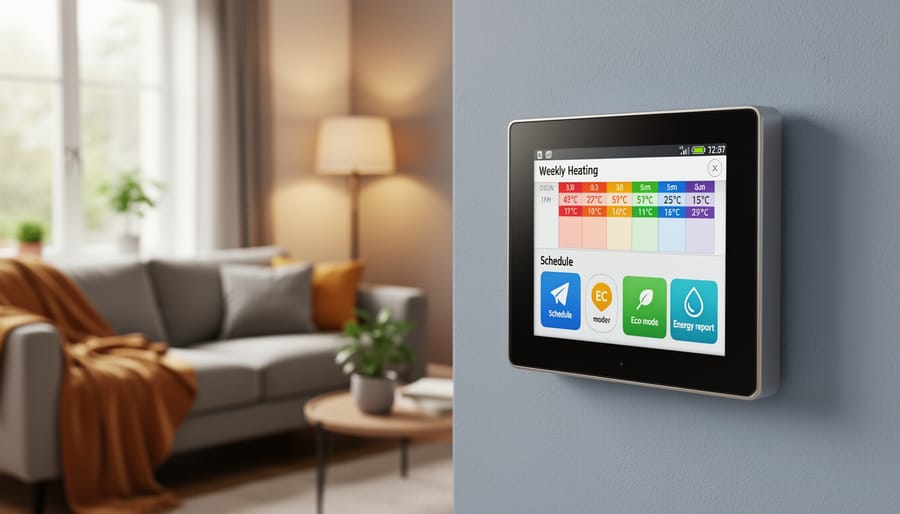
Start tracking your system’s performance immediately to confirm you’re actually reaping the savings you expected. Your first utility bill after installation won’t tell the whole story, so compare month-over-month usage from the same period last year, adjusting for temperature differences. Most energy efficient heating solutions show measurable results within the first full heating season, and you’ll want documentation to catch problems early while warranties are fresh.
Install a home energy monitor or use your smart thermostat’s built-in tracking features to watch real-time consumption. These tools reveal exactly when your system runs, how long it cycles, and where energy spikes occur. If you notice your heat pump running constantly in mild weather or your furnace short-cycling every few minutes, something needs attention. Optimal performance means consistent temperatures with moderate run times, not endless operation trying to compensate for undersized equipment or air leaks.
- Days 1-30: Record baseline comfort levels in each room, note any cold spots, and document initial energy usage patterns from your monitoring system.
- Days 31-60: Compare your first full-month utility bill against last year’s equivalent period, calculate percentage savings, and verify all programmable settings match your schedule.
- Days 61-90: Schedule your first professional maintenance check, inspect air filters for replacement needs, and assess whether additional zones or insulation upgrades would compound your savings.
Once you’ve confirmed your system performs as expected, look for opportunities to layer efficiency gains. Adding insulation to your attic or basement amplifies heating efficiency by reducing how hard your new system works. Zone controls let you heat only occupied spaces, while updated window treatments and weatherstripping prevent the warmth you’ve paid for from escaping. Check current upgrade guidance to identify which complementary improvements deliver the best returns in 2026, then tackle them systematically rather than all at once. Each enhancement builds on the last, creating compound savings that can cut your heating bills by fifty percent or more compared to outdated systems.
Common Questions About Energy Efficient Heating Solutions
What’s the most affordable energy efficient heating option?
Smart thermostats offer the lowest upfront cost, typically $100-250 installed, and can reduce heating bills by 10-15% through automated scheduling. For whole-home solutions, upgrading to a high-efficiency furnace or adding zone controls provides the best budget-friendly entry point without requiring major renovations.
Can renters implement any energy efficient heating solutions?
Absolutely. Portable space heaters with thermostats, smart plugs for existing heaters, draft stoppers, thermal curtains, and removable window insulation film all improve efficiency without permanent modifications. Check with your landlord about installing a programmable thermostat, which is usually acceptable since it’s easily reversible.
How much can I realistically save on my heating bills?
Most homeowners see 15-30% reductions in heating costs after upgrading to modern efficient systems, though actual savings depend on your climate, current system age, and home insulation. A heat pump in moderate climates might save $500-800 annually, while proper insulation combined with a smart thermostat could save $200-400 in most homes.
What if my home has no existing ductwork?
Ductless mini-split heat pumps are designed exactly for this situation, providing zoned heating and cooling without expensive duct installation. Radiant floor heating, electric baseboard heaters, and panel radiators also work beautifully in homes without ducts, giving you flexible options at various price points.
Are smart thermostats genuinely worth the investment?
Yes, especially if you have irregular schedules or forget to adjust temperatures. They typically pay for themselves within one to two years through reduced energy waste, and many utility companies offer rebates that cut the upfront cost by $50-100.
How long do energy efficient heating systems typically last?
Heat pumps generally last 15-20 years with proper maintenance, high-efficiency furnaces run 15-25 years, and radiant floor systems can perform well for 30-40 years. Smart thermostats and controls usually need replacement every 8-12 years as technology advances, but they’re inexpensive to upgrade compared to the main heating equipment.
Beyond these common questions, remember that your specific situation matters more than general advice. If you’re dealing with an older home, a historic property with preservation restrictions, or extreme climate conditions, consult a local HVAC professional who understands your region’s unique challenges. They can spot opportunities for efficiency gains that generic recommendations might miss, and they’ll know which local rebates and incentives apply to your project. The key is starting with what you can afford now while keeping an eye on future upgrades that compound your savings over time.
Choosing the right energy efficient heating solutions doesn’t have to feel overwhelming or out of reach. By starting with a clear assessment of your home’s needs, comparing options that fit your budget, and calculating the real savings you’ll see over time, you’re already ahead of the game. The systems available in 2026 offer more flexibility and affordability than ever before, whether you’re investing in a full heat pump upgrade or simply adding a smart thermostat to your existing setup.
Don’t overlook the incentives and rebates available right now, they can dramatically reduce your upfront costs and shorten your payback period. Even modest improvements, like sealing ducts or programming your thermostat more effectively, add up to noticeable comfort and lower bills month after month.
You’ve got the roadmap. Start with that home energy audit, set a realistic budget, and take the first step toward a warmer, more efficient home. Efficient home heating isn’t just for deep pockets or new construction, it’s within reach for renters, homeowners on tight budgets, and everyone in between. Your cozier, more affordable future starts with one thoughtful choice today.
12 Design Tips to Maximize Bedroom Space and Transform Your Retreat
We may earn a commission when you buy through links on this page, at no extra cost to you. Choosing energy efficient heating solutions comes down to three key decisions: selecting the right system type for your space, sizing it correctly, and using smart controls to optimize performance. Most homeowners see 20-40% reductions in heating costs within the first year by upgrading from older systems to modern, efficient alternatives. The heating landscape has shifted dramatically. What worked five years ago now sits firmly among ...