

Choosing the right interior designer for your whole-home renovation comes down to three essentials: verifying their full-service capability, aligning your budget expectations early, and reviewing past projects similar to your home’s scale. This decision will shape not just how your home looks, but how smoothly the renovation unfolds and whether you’ll stay within budget.
A whole-home renovation isn’t like refreshing a single room. You need a designer who can coordinate across multiple spaces, manage timelines that stretch months rather than weeks, and work alongside contractors, electricians, and plumbers without the project dissolving into chaos. The stakes are higher, the investment is substantial, and the wrong choice can mean costly delays or a finished home that doesn’t quite feel like yours.
The good news? You don’t need to hire the most expensive designer to get exceptional results. What matters more is finding someone whose process matches your project’s complexity, who communicates clearly about costs from day one, and who genuinely listens to how you live in your space. A talented designer will stretch your budget further by knowing where to splurge and where to save, turning off-the-shelf materials into custom-looking features and steering you away from trendy choices you’ll regret in three years.
If you’re exploring options with interior designers in sydney or elsewhere, this guide will walk you through exactly what to evaluate, which questions to ask before signing a contract, and how to spot red flags that signal a poor fit before you commit.
What to Look for When Hiring an Interior Designer
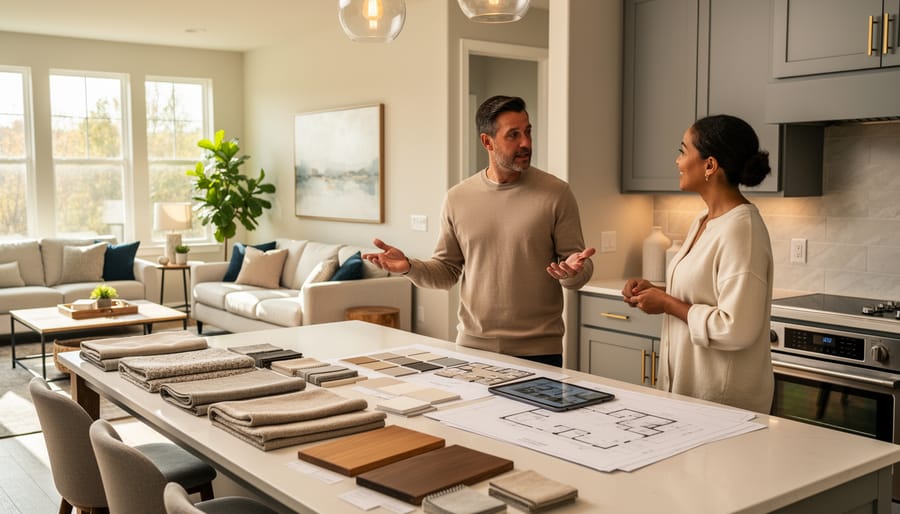
The designer you choose will shape not just your home’s aesthetics, but also your experience over months of living in renovation chaos. Start by examining their credentials and specialized training, look for membership in professional organizations like ASID (American Society of Interior Designers) or NCIDQ certification, which signals they’ve met industry education and experience standards. However, credentials alone don’t guarantee the right fit. A newly certified designer with five relevant whole-home projects may serve you better than a 20-year veteran who primarily does commercial spaces.
Portfolio quality reveals far more than a resume ever will. Review at least three to five completed whole-home renovations, paying attention to whether they’ve tackled projects similar in scope, style, and budget to yours. Notice the variety in their work, can they adapt to different aesthetics, or does everything look like the same design stamped onto different houses? Ask to see before-and-after photos and request details about challenges they encountered and how they solved them. A designer who can walk you through their problem-solving process demonstrates the kind of thinking that will serve you when unexpected issues arise.
Communication style makes or breaks the renovation experience. During initial consultations, notice whether the designer listens more than they talk, asks questions about your lifestyle and priorities, and explains concepts in language you understand. Do they dismiss your ideas or build on them? A designer who talks over you in the interview will do the same throughout the project. Trust your gut about personality fit, you’ll be making hundreds of decisions together under stress.
Their project management approach determines whether your renovation stays on schedule and budget. Ask specifically how they coordinate with contractors, handle change orders, track expenses, and communicate progress. The best designers use project management software that gives you real-time visibility into timelines and costs, not vague weekly update emails. Request their typical timeline for a whole-home renovation of your size and ask what buffer they build in for delays.
Budget transparency separates professionals from problems waiting to happen. A qualified designer will discuss their fee structure upfront, whether they charge flat fees, hourly rates, or percentage of project costs, and explain what’s included. They should ask about your total budget early and honestly tell you if it’s realistic for your goals. Red flags include designers who won’t commit to a fee structure, seem evasive about costs, or promise to “make it work” without seeing your space. The right designer will help you allocate your budget strategically across the project rather than simply spending whatever you have.
Understanding Different Types of Interior Design Services
Full-Service Interior Designers
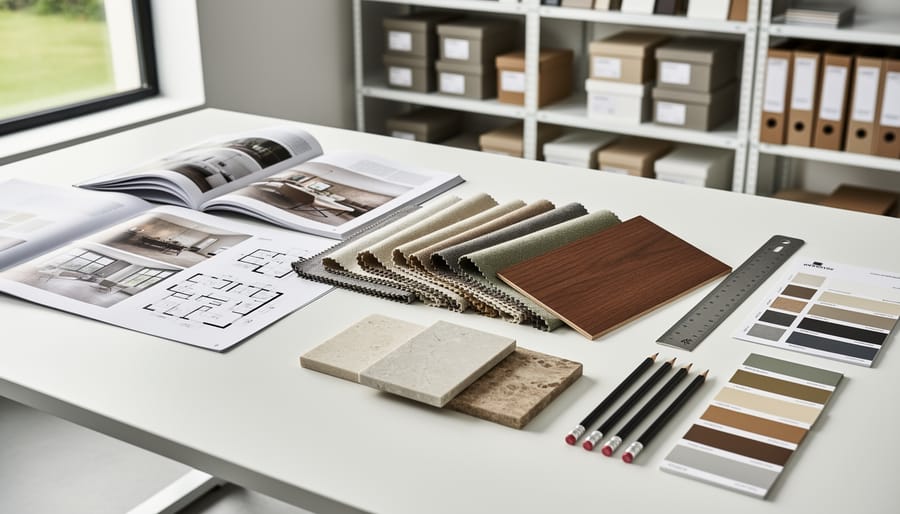
Full-service interior designers manage every phase of your whole-home renovation, from initial space planning and material selection through final styling and installation. They serve as your single point of contact, coordinating with contractors, ordering furnishings, and overseeing construction to ensure your vision materializes exactly as planned.
These designers typically charge 15-35% of your total project budget or hourly rates between $150-$500, depending on their experience and your location. In exchange, you get comprehensive project management that saves countless hours of your time and reduces costly mistakes. They handle procurement, maintain relationships with trade-only vendors (often passing along their professional discounts), and troubleshoot issues before they derail your timeline.
The real value shows up in seamless execution. While you might visit showrooms once or twice to review their curated selections, your designer handles the tedious coordination: tracking orders, scheduling deliveries, managing installation teams, and ensuring every element arrives on time and in perfect condition. For whole-home renovations where dozens of decisions overlap, this level of hands-on management prevents the chaos that sinks DIY projects.
Design-Build Firms
Design-build firms offer a one-stop solution by housing interior designers and construction contractors under the same roof. You work with a single team throughout your renovation rather than coordinating between separate design and build professionals.
This integrated approach streamlines communication and typically shortens project timelines. When issues arise during construction, the design team can quickly adjust plans without lengthy back-and-forth negotiations between independent parties. You’ll also deal with one contract and one point of accountability rather than managing multiple vendor relationships.
The trade-off? Less flexibility if you already have a contractor you trust or want to bid out construction separately. Design-build firms generally require you to use their in-house construction team, which means you can’t shop around for competitive build pricing. However, for homeowners who value convenience and cohesive project management, this streamlined model often justifies any premium in construction costs.
Virtual and Hybrid Design Services
Virtual and hybrid design services have transformed how homeowners can access professional design expertise without the traditional price tag. These services typically start with online consultations where you share photos, measurements, and inspiration boards with your designer. You’ll receive detailed floor plans, mood boards, shopping lists, and 3D renderings digitally, then implement the designs yourself or hire local contractors.
The hybrid approach adds strategic in-person visits at key milestones, perhaps an initial walkthrough and a final installation day, while keeping most communication virtual. This dramatically reduces billable hours compared to full-service designers who visit your home weekly.
Expect to pay $1,500, $5,000 for a whole-home virtual design package versus $15,000+ for traditional services. The tradeoff? You’ll need strong project management skills and comfort coordinating contractors yourself. This works beautifully for straightforward renovations without major structural changes, but complex projects involving load-bearing walls or intricate millwork benefit from more hands-on designer involvement throughout construction.
Specialty Consultants
Specialty consultants shine when your whole-home renovation includes complex or high-impact spaces that demand focused expertise. A kitchen designer brings deep knowledge of workflow, appliance integration, and cabinetry systems that a generalist might overlook, while a bathroom specialist understands plumbing constraints, moisture management, and space-saving layouts. If sustainability is a priority, consultants who specialize in eco-friendly materials and energy-efficient systems can guide you toward certifications like LEED without greenwashing. These experts also excel at detailed selections, a tile specialist might refine your tiling ideas with insights on durability and installation techniques you wouldn’t get elsewhere. The trade-off: you’ll need to coordinate multiple voices, so pair specialty consultants with a lead designer who orchestrates the overall vision and ensures these focused details serve the whole-home aesthetic rather than fragment it.
Top Interior Designers for Different Budgets and Styles
Budget-Friendly Options Without Compromising Quality
Emerging designers and recent graduates often deliver exceptional creativity at 30-50% below established rates because they’re building their portfolios. Look for designers within their first five years of practice who’ve completed at least two full renovations, they bring fresh ideas and current training without the premium pricing.
Design schools with internship programs can connect you with advanced students supervised by experienced faculty. You’ll pay reduced fees while benefiting from academic oversight and multiple perspectives during critique sessions. The timeline may extend slightly to accommodate the educational component.
Hybrid services that pair virtual planning with selective in-person visits maximize your budget. A designer creates your floor plans, material specifications, and mood boards remotely, then visits for critical decision points like spatial layout and final styling. This approach typically costs $3,000-$8,000 for a whole home versus $15,000-$40,000 for traditional full-service.
Request detailed portfolios showing completed projects, not just renderings. Strong communication skills matter more than years in business, a responsive, organized newer designer will serve you better than an overwhelmed veteran. Ask about their purchasing relationships too; even junior designers often access trade discounts that offset their fees.
Mid-Range Full-Service Solutions
Most homeowners undertaking a whole-home renovation find their ideal match in the mid-range full-service category, typically investing between $75 and $200 per hour or 10-15% of the total project cost. These established designers, usually with five to fifteen years of experience, offer the comprehensive service level you need without the premium markup of celebrity designers.
At this tier, you’re working with professionals who have proven track records, refined project management systems, and established relationships with quality contractors and vendors. They’ll guide you through every phase: initial space planning, design development, material and fixture selection, contractor coordination, and installation oversight. You’ll receive detailed drawings, 3D renderings to visualize the finished space, and hands-on management throughout construction.
The value proposition here is substantial. Mid-range designers often provide access to trade-only showrooms and wholesale pricing on furnishings and materials, which can offset a significant portion of their fees. They’ve learned from enough projects to anticipate problems before they become costly mistakes, and they have the bandwidth to return your calls promptly and attend site meetings regularly.
When evaluating designers in this range, review their portfolios for projects similar in scope and style to yours, look for complete transformations rather than single-room makeovers. Ask to see kitchen inspiration photos and other completed spaces to gauge their aesthetic range. Request client references from whole-home renovations completed within the past two years, and don’t hesitate to ask about budget adherence and timeline management.
Luxury and Specialized Expertise
High-end interior designers bring unparalleled expertise to whole-home renovations involving architectural complexity, historic properties, or specialized requirements. If your project includes custom millwork throughout, intricate lighting design, smart home integration, or works with rare materials, a luxury designer’s vendor network and technical knowledge justify the investment.
These designers typically charge 20-35% of construction costs or $200-$500 per hour. What you’re paying for is decades of experience, established relationships with premium craftspeople, and the ability to navigate challenges like maintaining period details while modernizing systems or sourcing one-of-a-kind furnishings from international markets.
Consider this tier when your home has significant architectural merit, you’re working with a substantial budget ($500,000+ renovation), or your vision requires coordination between multiple specialized trades. Luxury designers also excel at projects where cohesion matters intensely, ensuring your renovated Victorian’s modern kitchen doesn’t clash with restored original moldings, for instance.
The right match here isn’t just about credentials. Look for designers whose existing portfolio demonstrates they’ve successfully tackled complexity similar to yours, not just beautiful finished spaces.
The Selection Process: From Research to Contract
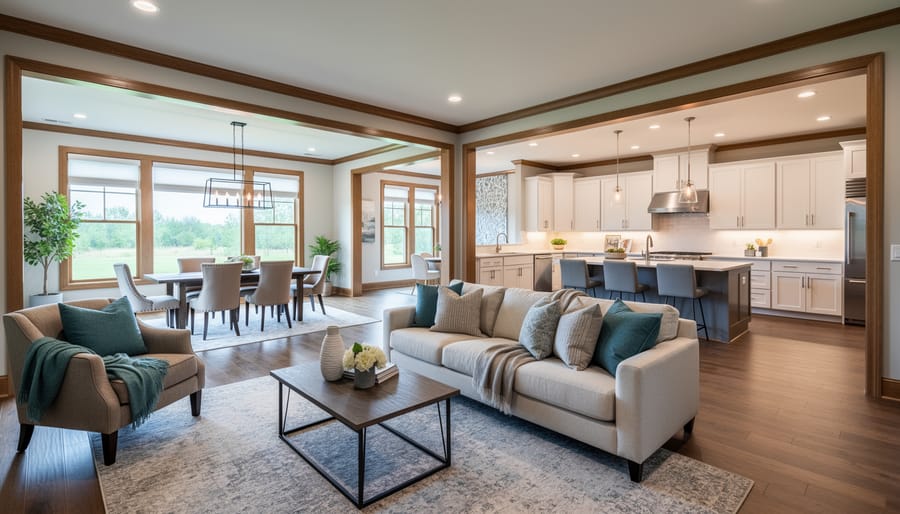
Finding the right designer starts with casting a wide net. Ask friends who’ve recently renovated for referrals, browse local design showrooms, and search professional directories like the American Society of Interior Designers (ASID) or the International Interior Design Association (IIDA). Instagram and Houzz let you discover designers whose aesthetic clicks with your vision. Compile a shortlist of five to eight candidates whose portfolios show whole-home projects similar in scope and style to yours.
Schedule initial consultations with your top three to five choices. Most designers offer free or low-cost discovery meetings. Come prepared with inspiration images, your budget range, and a rough timeline. Notice how they listen. Do they ask thoughtful questions about how you live in your home, or do they immediately push their own ideas? Strong designers balance creative vision with genuine curiosity about your needs.
When reviewing portfolios, look beyond pretty photos. Ask about the challenges each project faced and how they solved them. If you see kitchens you love, inquire whether they use 3D kitchen design tools to help clients visualize spaces before construction begins. Request contact information for two or three past clients whose projects resembled yours in scale. When you call references, ask specific questions: Did the designer stay on budget? How did they handle unexpected problems? Would you hire them again?
Pay close attention to proposals. A solid proposal clearly outlines deliverables, fees, payment schedule, and what’s not included. Watch for vague language like “miscellaneous expenses” without dollar limits. Compare how each designer structures their fees, some charge flat rates for whole-home work, others bill hourly with a cap, and many use a percentage of construction costs.
Before signing, read the contract thoroughly. It should specify the project scope, timeline milestones, your approval rights at each phase, how changes get handled, and termination clauses for both parties. Look for details about who owns the design documents and whether the designer receives trade discounts that get passed to you. If anything feels unclear, ask for clarification in writing. A reputable designer welcomes questions and will revise confusing contract language. This upfront diligence prevents misunderstandings that derail projects midstream.
Common Mistakes That Cost Homeowners Time and Money
The cheapest designer isn’t always the best value, and the most expensive one won’t guarantee a flawless renovation. One of the biggest traps homeowners fall into is making hiring decisions based purely on cost, either choosing the lowest bid without investigating why it’s so low, or assuming premium pricing equals premium service. A suspiciously low estimate often means the designer has underestimated the project scope, lacks experience with whole-home renovations, or will nickel-and-dime you with change orders later. Conversely, paying top dollar doesn’t protect you from poor planning or mismatched aesthetics if you haven’t verified the designer’s track record with projects similar to yours.
Skipping the contract review is another costly error. Many homeowners get excited after a great consultation and sign without reading the fine print. That’s when you discover the designer’s “all-inclusive” fee doesn’t actually cover site visits, revisions beyond two rounds, or coordination with contractors. A solid contract spells out deliverables, payment schedules, termination clauses, and who owns the design files if you part ways. Read every clause, ask what happens if timelines slip or budgets need adjustment, and don’t hesitate to negotiate terms that feel one-sided.
Failing to clarify scope upfront creates endless frustration. If you assume “whole-home renovation” means the designer will handle every detail from paint colors to doorknobs, but they think it means conceptual layouts only, you’ll hit conflict fast. Pin down exactly what rooms are included, how many revision rounds you get, whether they’re sourcing furniture or just specifying it, and how they’ll coordinate with your contractor. Vague agreements breed scope creep, where small additions pile up into major cost overruns, research shows that design changes drive overruns more than any other factor in renovation projects.
Communication red flags during initial consultations often get ignored because you want to like the designer. If they’re slow to respond, dismissive of your ideas, or evasive about past project challenges, that behavior won’t improve under deadline pressure. Trust your gut. A designer who interrupts, doesn’t ask about your lifestyle needs, or talks only about their vision rather than yours will make the renovation process miserable, no matter how stunning their portfolio looks.
Questions to Ask Before You Hire

Walking into consultations prepared with the right questions separates homeowners who end up thrilled from those who face costly surprises. These conversations reveal not just a designer’s qualifications, but whether your working styles and expectations align.
Start with experience specifics: “How many whole-home renovations have you completed in the past three years?” Look for detailed answers that show consistent project flow. Follow up with, “Can you walk me through a recent project similar in scope to mine?” Their storytelling reveals how they handle complexity, and whether they’re genuinely engaged or just checking boxes.
Budget conversations matter most. Ask, “How do you handle cost overruns, and what’s your track record with staying on budget?” Designers who squirm or deflect this question often create problems later, understanding why cheap decorating costs more applies to designer selection too. Also inquire, “What percentage markup do you charge on furnishings and materials, and can I purchase items directly if I choose?” Transparency here builds trust.
Timeline questions need equal attention: “What’s your current workload, and when could you realistically start my project?” Then ask, “How do you communicate progress and handle delays?” You want someone who proactively manages expectations, not someone who goes silent when problems arise.
Do you work with a consistent team of subcontractors?
Strong designer-contractor relationships mean smoother execution and fewer miscommunications during installation. Ask for references from their regular partners.
How do you handle design disagreements with clients?
This reveals conflict resolution style and whether they’ll bulldoze your preferences or collaborate genuinely. Look for designers who listen but also guide with expertise.
What happens if I’m not happy with a design direction?
Clarify revision policies upfront, how many rounds are included, what constitutes scope creep, and how changes affect timeline and budget.
How do you stay current without following fleeting trends?
You want someone who creates timeless spaces while incorporating fresh ideas, helping you avoid outdated trends that date your renovation quickly.
Don’t skip the practical details either. “What project management tools do you use, and how often will we have check-ins?” establishes communication rhythms. And always ask, “Can you provide three references from whole-home renovation clients, including at least one from the past year?” Then actually call them.
The designer who welcomes these questions confidently, answers with specifics rather than platitudes, and treats your concerns as reasonable is showing you exactly how they’ll behave throughout your renovation.
What to Look For
– Section content: ~520 tokens
– Instructions processed: ~2100 tokens
– Total estimated: ~2620 tokens (well within 200k budget)
—
When evaluating interior designers for your whole-home renovation, start with their portfolio’s scope and complexity. You need someone who has successfully completed projects of similar scale, not just decorated individual rooms. Look for before-and-after photos showing problem-solving skills and consistent style execution across multiple spaces.
Communication compatibility matters more than you might think. During consultations, notice whether the designer listens actively to your needs, asks thoughtful questions about your lifestyle, and explains their process clearly. If you feel unheard now, imagine managing months of renovation decisions together.
Project management capabilities separate mediocre designers from excellent ones. Ask how they coordinate contractors, handle timelines, manage budget tracking, and resolve unexpected issues. A designer who can’t manage the chaos of a whole-home renovation will cost you time and money, regardless of their aesthetic talents.
Budget transparency should be non-negotiable. The right designer will discuss fees upfront, explain how they handle vendor pricing, and help you understand where your money goes. Red flags include vague pricing structures, reluctance to provide written estimates, or pressure to commit before you’re ready.
Finally, trust your gut about personal chemistry. You’ll be making hundreds of decisions together over several months. Choose someone whose vision excites you but who also respects your input and budget constraints.
Main Options Compared
When planning a whole-home renovation, you’ll encounter three primary designer engagement models, each with distinct trade-offs.
Full-service traditional designers handle every detail from concept through installation. You get a single point of contact, cohesive design vision, and comprehensive project oversight. Expect fees of 15-25% of construction costs or $150-300 per hour. Best for homeowners who want a hands-off experience and have $100,000+ renovation budgets.
Design-build firms combine architecture, interior design, and construction under one roof. This streamlines communication and often reduces timeline conflicts. Pricing typically runs 20-30% lower than hiring separate teams. Ideal when structural changes are involved, though you sacrifice some design specialization.
Virtual or hybrid services offer the most budget flexibility. Designers create plans and specifications remotely, then you manage implementation with local contractors. Costs range from $2,000-15,000 for comprehensive whole-home plans. This works well for design-savvy homeowners comfortable coordinating trades, but requires more personal involvement and carries higher execution risk.
Your choice hinges on three factors: available budget, desired involvement level, and project complexity.
Choosing the right interior designer for your whole-home renovation isn’t a decision to rush. Take your time interviewing candidates, reviewing portfolios, and paying attention to how each designer makes you feel during consultations. That gut instinct about compatibility matters more than many homeowners realize, you’ll be working closely with this person for months, making countless decisions together.
Yes, hiring a skilled designer represents a significant investment upfront. But the right professional will actually save you money by avoiding costly mistakes, negotiating better prices with vendors, and keeping your project on schedule. They’ll also save you immeasurable stress by managing the overwhelming details while translating your vision into reality.
Trust the research you’ve done and the questions you’ve asked. If a designer checks all the practical boxes and you genuinely enjoy talking with them, you’ve likely found your match.
Your whole-home renovation is about more than updating spaces, it’s about creating a home that truly reflects who you are and how you want to live. With the right designer by your side, that dream is entirely within reach. Now it’s time to take that first step.